Windows Repair's History Of Windows Repair In 10 Milestones


Windows Repair - Simple Fixes to Keep Your Home Secure
There are easy fixes for windows that are damaged or have a huge hole. This will help keep your home safe. These fixes may not be aesthetically pleasing but they'll get the job done.
Start by putting your protective eyewear and gloves on. Create a container for the glass, and have the vacuum and broom ready to dispose of the glass.
Tape
If you've ever smashed the window it can be a bit scary and inconvenient. However, it's also important to be aware that you can do some simple actions to repair the damage, especially if the crack isn't spreading to a large extent.
If the glass has completely shattered, you will have fewer options and may require the help of a professional. Luckily, most cracks can be dealt with with some basic supplies such as cardboard and tape.
Wearing gloves is a good idea if you are working with broken glass. This will stop the possibility of getting any glass fragments in your hands, and it will help keep your fingers safe until you can find a solution to the issue. Wear a pair of protective eyeglasses in case any glass falls near the floor.
The next step is to determine the damage. A quick glance will show whether it's a superficial crack or if the glass is more severely damaged. If the crack is more than a few inches wide, you'll need to create a more permanent fix with a glass replacement product.
Depending on the design of the window, you may be able to apply different kinds of tape. Masking or packing tape should be able to fix most superficial cracks, while those with deeper cracks will require more duct tape to hold them in the proper position. Whatever kind of tape you choose to use, it's important to completely cover the crack and extend beyond both ends. This will ensure that the crack doesn't get any worse and it will prevent the chance of air entering your home.
Another option is to cover the window with a piece of plastic, like garbage bags or your old bed sheet. This will reduce the amount air that gets through the crack, and will appear more appealing than covering it with tape. It is best to find something that is similar to the color and texture of your window to ensure it blends into. If you can't find anything to match, you can use a clear piece of mylar tape to block out the dirt and sand.
Nail Polish
Nail polish isn't your typical tool for fixing windows, but it can be used as a short-term solution to keep small cracks from spreading until you are able to pay for professional window repair or replacement. Clear nail polish, specifically one that is quick-drying, can fill in the crack and reduce the appearance of the crack and its potential spread.
Before applying nail polish to mend your windows, wash the area thoroughly with glass cleaner to eliminate any dirt or dirt that could cause damage. Apply a thin layer polish using the applicator and allow it dry. Repeat as needed until the crack has been completely filled in and smoothed.
Nail polish can be used to fix windows that have cracks, dings, or blemishes. The glass that has chips is ugly and can put additional stress on the window pane. This could cause further breakage and allow air, water, or wind into your home.
Apply a thin layer clear polish to the areas that are damaged. This will fill in the imperfections and make them appear like pristine, pristine glass. Make sure the polish is an exact color to the window in which it is located, as this will make it easier to hide the patchwork.
You can also use clear super glue to fill the crack and prevent it from spreading. It's more durable than nail polish since the super glue is able to withstand more wear, but may not be as discrete.
Metal polish can also be used to repair windows. Before applying the polish, carefully clean the window's surface using a cloth that is able to withstand moisture and heat shocks like coffee filter or microfiber. After that, add the polish to the cotton ball and rub it on the scratches in circular motion. After window repair near has dried, remove any excess by using acetone or nail polish remover.
Glass Repair Film
There are a variety of options for repairing a broken glass window. You can try to fill the crack yourself, or call in a professional glazier for a more permanent solution. Whatever you decide to do, it's important to remember that you're dealing with broken glass, and security is of the utmost importance. Wear eye protection and gloves and sweep the area to make sure there aren't any loose shards.
If the damage isn't too severe, a sheet of clear plastic could be used to keep water and air out of the crack. Begin by cleaning the glass with a damp cloth to wash any oil or dirt from the surface. Lay clear packaging strips from one end to the other by overlapping the ends a bit to create a thicker covering. Once all of the glass is covered, repeat the process on the opposite side of the window.
When a crack in the window frame or sill isn't addressed, it could result in wood rot which causes damage to other parts of the building. It can be very difficult to repair, which is why it is recommended to identify the issue early. You should examine the wood on a regular basis and act immediately when you see any indications of moisture or rot. When the wood is dry, technicians will inject epoxy filler in the affected areas.
Glasstop emergency repair film can be applied to windows instantly following a breakage and is an easier, safer and cost effective alternative to the process of boarding up. It's easy to apply without the need for special tools and is clear, so you can still get natural light in your room.
The product is designed to adhere to laminated or toughened glass. It is ideal for securing broken windows at home, in the workplace or at school. It has been tested in accordance with the highest impact security standard BS126001B1, which provides a safe and immediate solution that allows daylight to flow into the room. It also self-adhesive and simple to install without the need for additional tools.
Epoxy
A quick solution to cracked glass in windows is to use a plastic brace. The brace prevents the crack from spreading, and keeps a stray gust of wind or stray object from striking the window, which could leave dangerous shards inside your home. This solution won't win any points for curb appeal, but it will keep the glass together until you can find a more permanent repair.
If you have cracks in your window that doesn't need a plastic brace to stop it from getting worse, you can apply epoxy to the window to prevent any further damage. This is a popular method for repairing windshields as well as other automotive glass, but it will also work on picture frames, mirrors and kitchen glassware that won't be heated. The majority of hardware stores and maintenance shops have two-part epoxy. Look over the label to determine the proportion of resin and hardener, and follow the instructions to mix and apply the epoxy. This type of glue can be messy and requires safety equipment, including gloves that are chemical-resistant.
If you have a larger chip or crack you'll need to insert a piece of the broken glass. For this, use the glass chip that is similar to the texture and color of your glass or windshield If possible. You will need to clean the area using a detergent soap and dry it thoroughly before applying the epoxy. The glass chip should be small enough so that you can fill it with epoxy without having to squeeze the excess out, but sufficient to keep the crack in place.
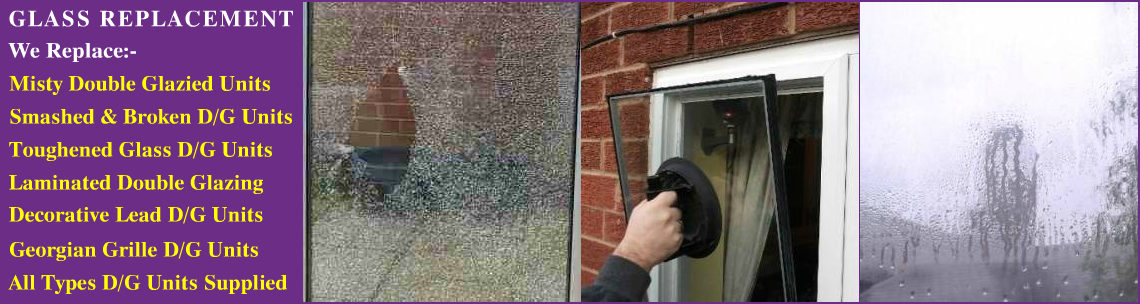
Epoxy can also be used to fill in holes left by rotting wood. Wear rubber gloves that are chemical resistant when working with epoxy, and make certain to select a product that can handle the temperature you'll be working in. Filling cavities with thickened Epoxy, like 105 Resin, and 206 Slow or Extra Slow Hardener, will protect the wood against moisture absorption, allowing it to remain in place for a longer period of time.
To make an epoxy fix, spray your epoxy components onto a piece cardboard or another flat surface. Stir them using a wooden broom until they are evenly mixed. To avoid contamination, thoroughly clean the stick and mixing dish prior to use. Applying the epoxy to windows is a delicate process. Epoxy cures at high temperatures, so if you apply too much epoxy to your windows, the surface could be smoldering and may catch fire.